Turbo Blowers in Power Plant Boiler Soot Blowing and Draft Systems
Release time: Mar.05.2026
Click volume: Views
Power plants rely on stable airflow to maintain safe and efficient boiler operation.
Two important systems depend on reliable air supply. One is the soot blowing system. The other is the boiler draft system.
Both systems help maintain heat transfer efficiency and stable combustion.
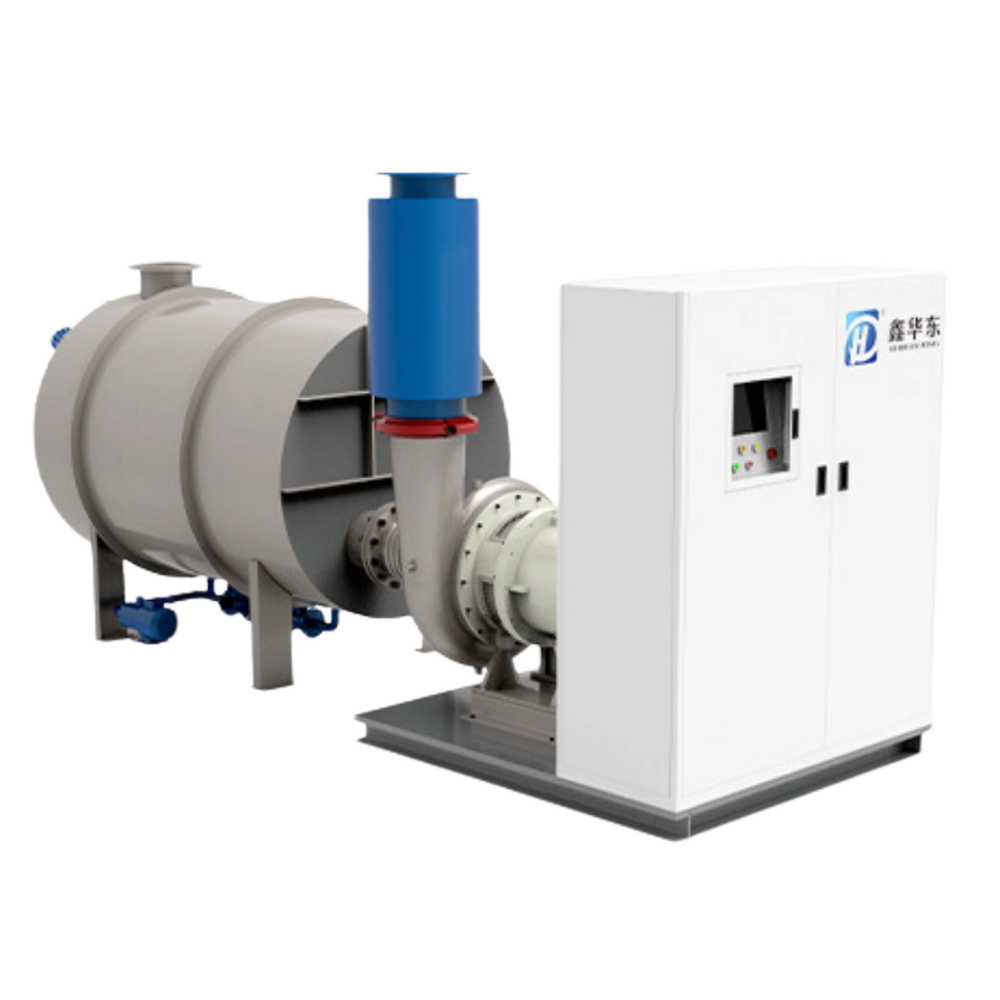
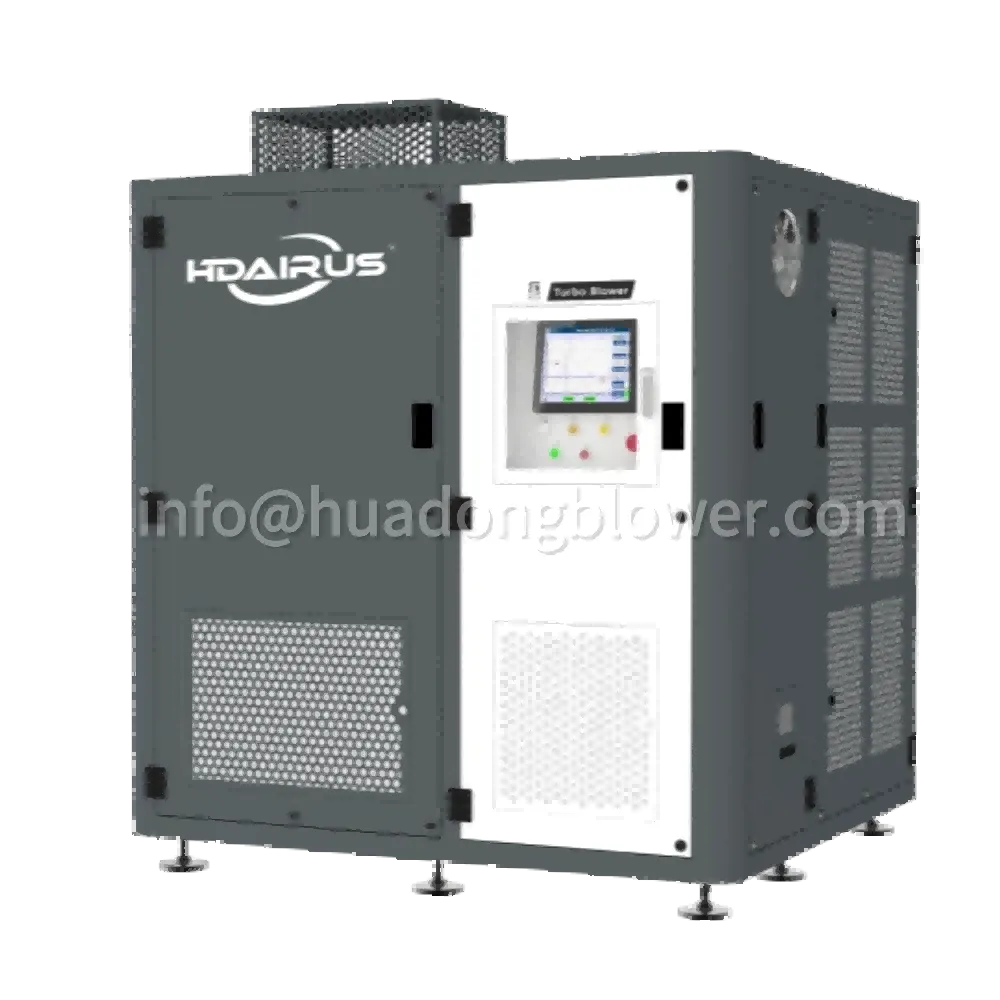
Turbo blowers are increasingly used in modern power plants. They provide high efficiency, stable airflow, and lower energy consumption.
These advantages support long-term operational reliability and sustainability.
The Importance of Boiler Soot Blowing
Boilers burn fuels such as coal, biomass, or waste-derived fuels.
During combustion, ash and deposits accumulate on heat transfer surfaces.
These deposits reduce heat transfer efficiency. They also increase fuel consumption.
Soot blowing removes these deposits using high-pressure air or steam.
A stable air supply ensures effective cleaning. It also protects boiler tubes from overheating.
Turbo blowers can provide continuous and controlled airflow for soot blowing systems.
Draft Systems and Combustion Stability
Boiler draft systems control airflow through the furnace.
Proper draft maintains correct combustion conditions.
Too little airflow causes incomplete combustion. Too much airflow wastes energy.
Stable draft pressure ensures safe boiler operation and optimal fuel efficiency.
Turbo blowers deliver precise airflow control. This helps maintain consistent furnace pressure.
As a result, combustion efficiency improves and emissions remain stable.
Advantages of Turbo Blowers in Power Plants
Turbo blowers offer several advantages compared with traditional blower technologies.
High energy efficiency is one key benefit. Advanced aerodynamic impellers reduce energy loss.
Oil-free operation ensures clean airflow. This reduces contamination risks in sensitive systems.
Low vibration improves equipment reliability.
Compact designs also simplify installation in existing plants.
These advantages make turbo blowers suitable for long-term industrial operation.
Advanced Turbo Blower Technologies
Modern turbo blower systems use advanced engineering to improve performance.
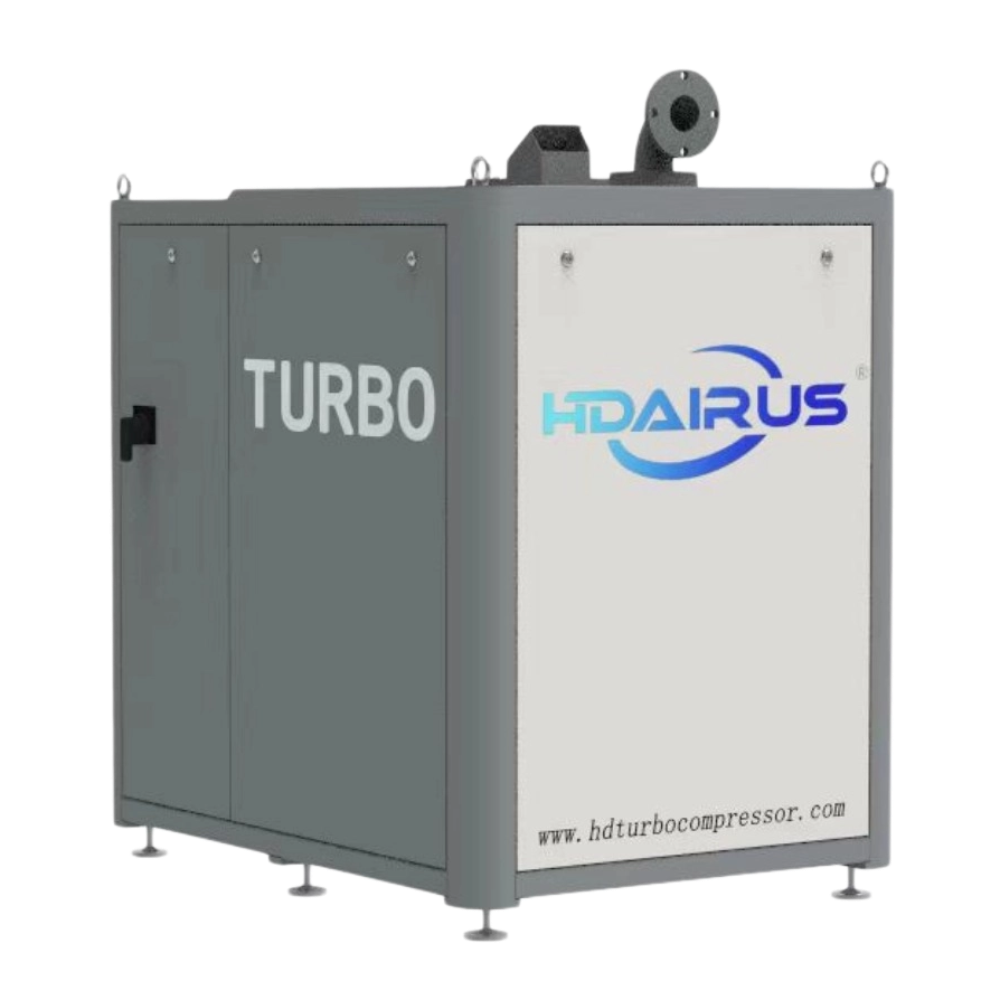
Airfoil bearing turbo blowers use aerodynamic bearings to support the rotor. This design reduces friction and eliminates lubrication systems.
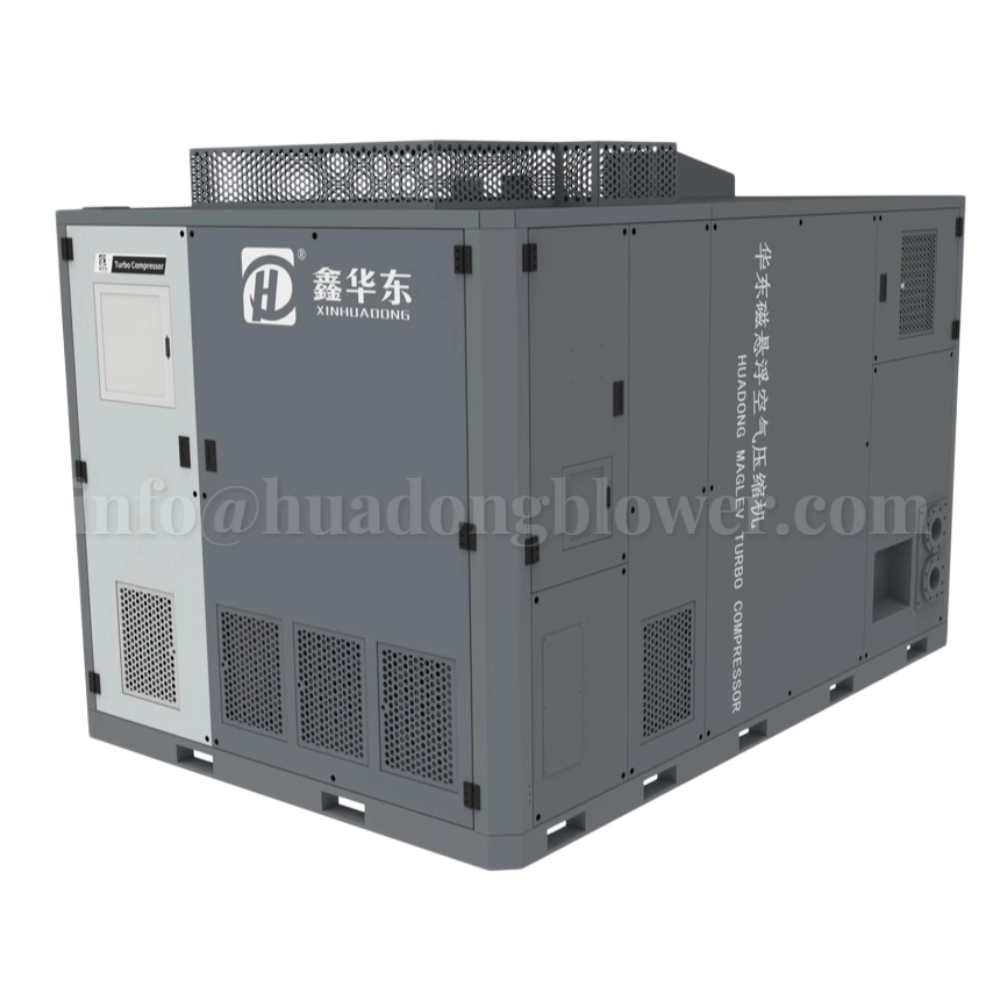
Magnetic bearing turbo blowers use active magnetic suspension. The rotor floats without mechanical contact.
Both technologies provide low vibration and high rotational speed.
In demanding industrial environments, reliable blower performance is critical.
For example, HDAirus airfoil turbo blowers provide stable airflow and efficient energy use for continuous industrial operation.
In applications requiring even higher precision and reliability, HDAirus maglev turbo blowers deliver oil-free operation, low noise, and advanced control capabilities.
Supporting Energy Efficiency and Sustainability
Power plants face increasing pressure to reduce energy consumption and emissions.
Improving auxiliary equipment efficiency is an effective approach.
Turbo blowers reduce power consumption compared with conventional machines.
Precise airflow control also minimizes unnecessary energy use.
Lower energy demand helps reduce operational costs and carbon emissions.
These improvements support sustainable power generation.
Conclusion
Boiler soot blowing and draft control are essential processes in power plant operation.
Reliable airflow ensures efficient heat transfer and stable combustion.
Turbo blowers provide energy-efficient and dependable air supply for these systems.
With advanced technologies such as airfoil and magnetic bearing designs, modern turbo blowers help power plants improve efficiency, reliability, and sustainability.
Recommended Products