Minimizing Drying Time: How Variable Speed Turbo Blowers Improve Throughput in Textile and Paper Mills
Release time: Mar.05.2026
Click volume: Views
Drying is a critical step in textile and paper manufacturing. Moisture must be removed quickly and evenly to maintain product quality and production speed.
Traditional drying systems often face challenges. Airflow may fluctuate. Energy consumption can be high. These issues slow production and increase operating costs.
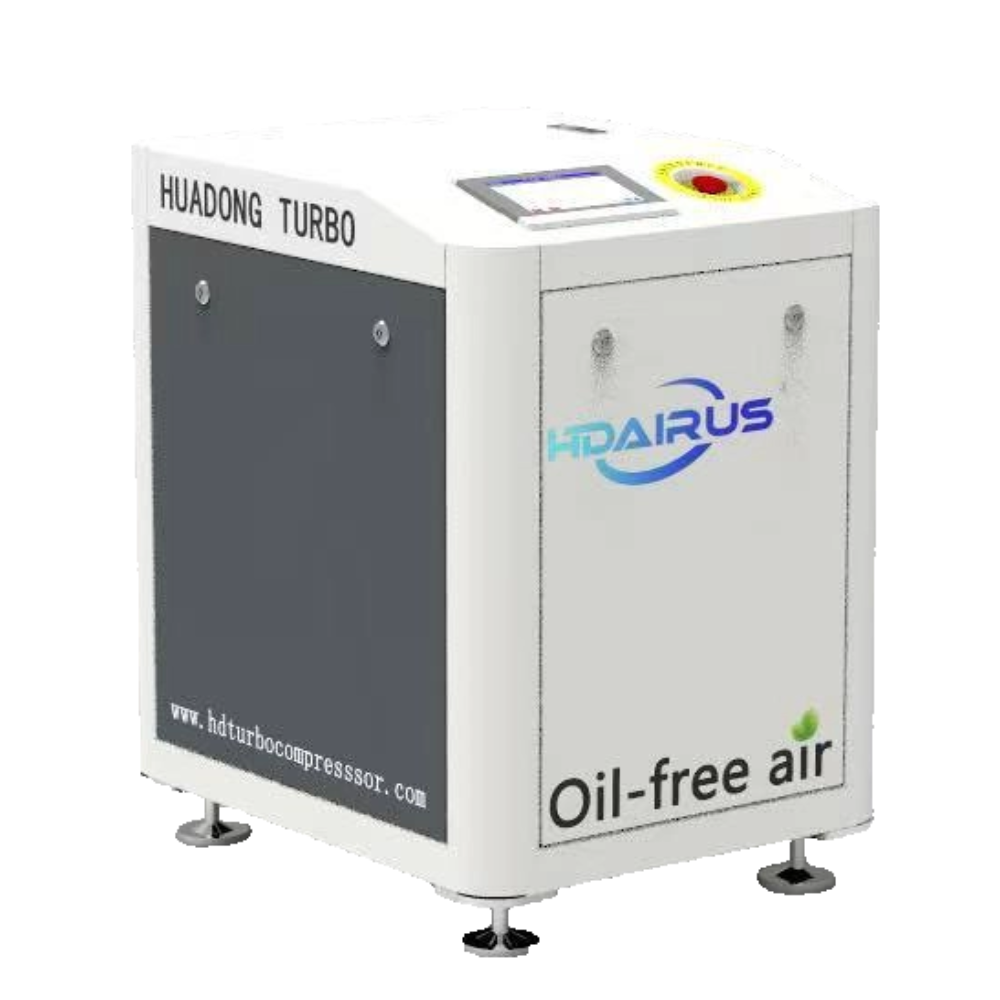
Variable speed turbo blowers provide a modern solution. They deliver precise airflow control and stable pressure. This helps reduce drying time and improve production throughput.
The Importance of Efficient Drying in Industrial Production
In textile and paper mills, drying directly affects product quality and productivity.
If drying is too slow, production lines must operate at lower speeds. This reduces output and increases energy consumption.
Uneven drying can also cause quality problems. In textiles, it may lead to inconsistent fabric properties. In paper production, it can cause curling, deformation, or weak sheet strength.
Stable airflow is essential for maintaining consistent drying conditions.
How Turbo Blowers Support Modern Drying Systems
Turbo blowers generate high-speed airflow using advanced impeller technology. The airflow is stable and efficient.
When integrated into drying systems, turbo blowers provide a reliable air supply. This supports uniform heat transfer and moisture removal.
Unlike traditional blowers, turbo blowers operate at high rotational speeds. This improves airflow efficiency and reduces energy loss.
The result is faster and more controlled drying.
The Advantage of Variable Speed Control
Variable speed technology allows turbo blowers to adjust airflow based on process demand.
During different stages of production, drying requirements may change. Variable speed drives allow the blower to adapt instantly.
When less airflow is required, the blower reduces speed. This saves energy and reduces equipment stress.
When higher airflow is needed, the blower increases speed to maintain drying efficiency.
This dynamic adjustment improves both productivity and energy efficiency.
Energy Savings and Operational Efficiency
Energy consumption is a major cost in textile and paper manufacturing.
Variable speed turbo blowers reduce unnecessary power usage. They supply only the airflow required for the process.
Advanced aerodynamic designs also reduce mechanical losses.
Lower energy consumption reduces operating costs. It also supports environmental sustainability goals.
Improving Production Throughput
Fast and stable drying allows production lines to operate at higher speeds.
In textile mills, improved airflow accelerates fabric drying after washing or dyeing.
In paper mills, efficient drying shortens the time needed to remove moisture from paper sheets.
Shorter drying cycles increase production capacity without expanding equipment.
This improves overall plant productivity.
Reliable and Low-Maintenance Operation
Modern turbo blowers are designed for long-term industrial use.
Oil-free operation keeps the air clean and reduces maintenance requirements.
Low vibration and advanced control systems improve reliability.
Many systems also include intelligent monitoring features. Operators can track pressure, temperature, and performance in real time.
This helps prevent unexpected downtime.
Conclusion
Drying efficiency plays a key role in textile and paper manufacturing productivity.
Variable speed turbo blowers provide stable airflow, precise control, and high energy efficiency.
By reducing drying time and optimizing airflow, these systems help mills increase throughput and reduce operating costs.
As industries continue to pursue energy efficiency and higher production capacity, variable speed turbo blower technology is becoming an important upgrade for modern drying systems.
Recommended Products