Food Grade Air: Ensuring Purity with Oil-Free Turbo Blowers in Food Processing
Release time: Mar.05.2026
Click volume: Views
Air plays an important role in many food processing operations. It is used for conveying, aeration, drying, cooling, and packaging. In these processes, the purity of air is critical.
If the air supply contains oil or contaminants, it may affect product safety. It may also lead to regulatory issues.
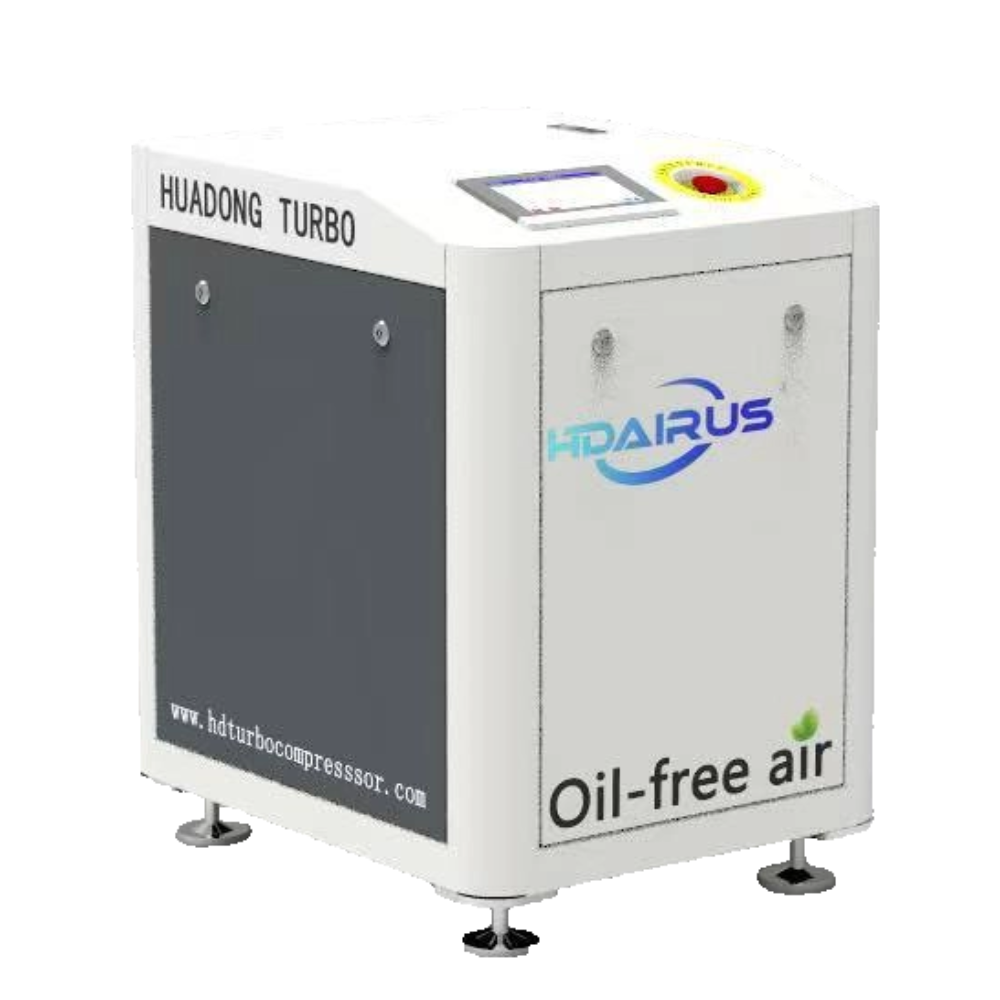
Oil-free turbo blowers provide a reliable solution. They deliver clean, stable airflow that meets strict food industry standards.
Why Air Quality Matters in Food Processing
Food manufacturers must follow strict hygiene and safety regulations. Any contamination during production can affect product quality.
Compressed air or process air often comes into direct or indirect contact with food. This happens in applications such as powder conveying, fermentation aeration, and product drying.
If the air contains oil mist or particles, contamination risks increase. This can lead to product rejection and higher production costs.
Using clean air systems helps ensure compliance with food safety standards.
The Advantages of Oil-Free Turbo Blowers
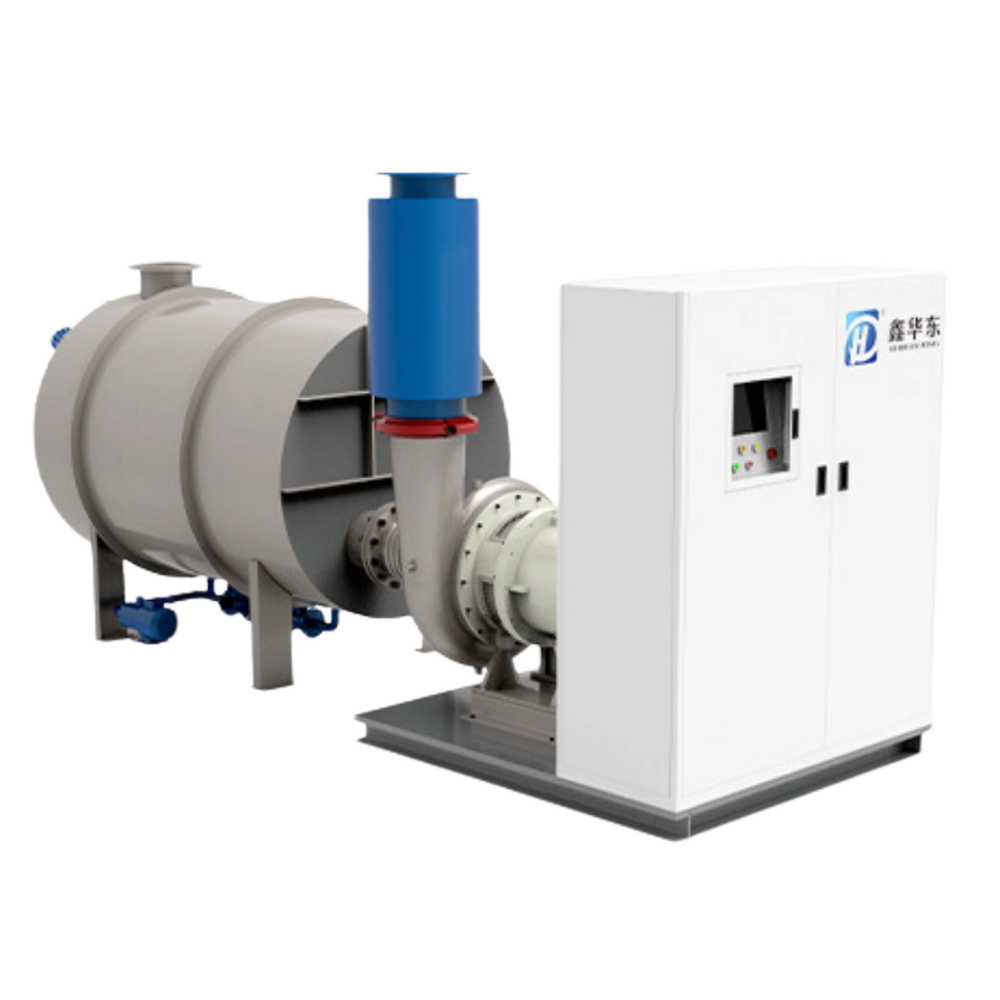
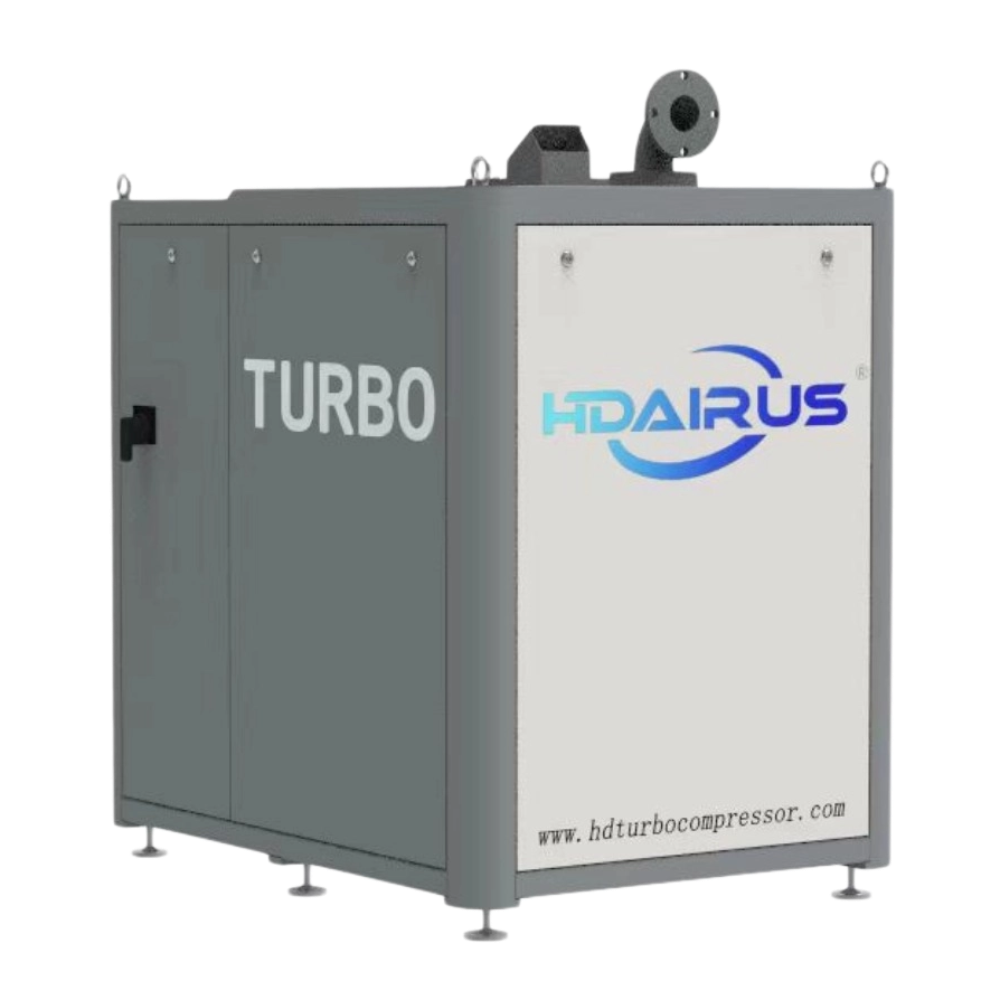
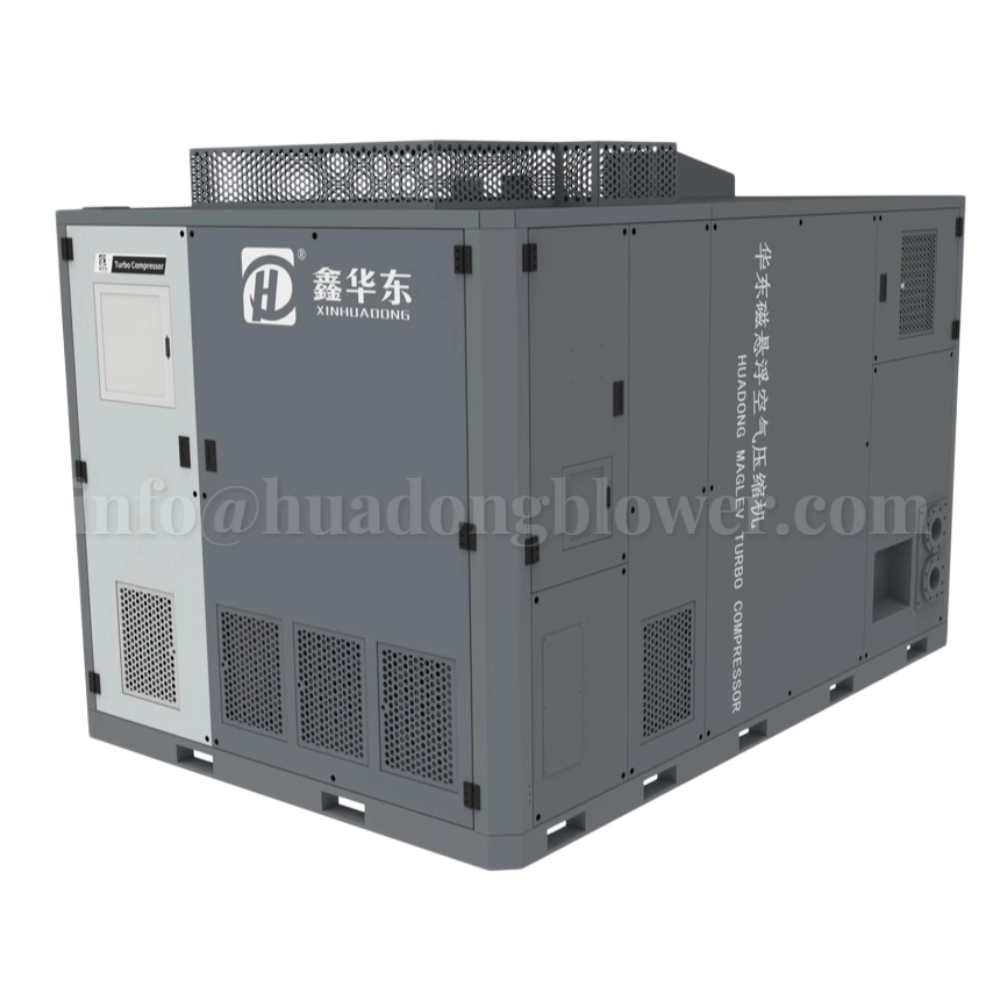
Oil-free turbo blowers are designed to supply clean air without lubrication inside the compression chamber.
This design eliminates the risk of oil contamination in the air stream.
Because there is no oil contact with the air, filtration requirements can also be simplified.
The result is a safer and more reliable air supply for food processing applications.
Supporting Key Food Processing Applications
Oil-free turbo blowers are widely used in several food industry processes.
In pneumatic conveying systems, they transport flour, sugar, and other food powders safely and efficiently.
In drying and cooling systems, stable airflow helps maintain consistent product quality.
In fermentation processes, clean aeration supports microbial activity without introducing contaminants.
Reliable airflow also helps improve process stability and production efficiency.
Energy Efficiency and Sustainable Operation
Energy consumption is a major concern in food manufacturing.
Turbo blowers use high-speed impellers and advanced aerodynamic design. This improves airflow efficiency and reduces power consumption.
Many systems also include variable speed control. The blower adjusts airflow according to process demand.
This reduces unnecessary energy use and lowers operating costs.
Lower energy consumption also supports sustainability goals.
Reliable Operation and Reduced Maintenance
Oil-free turbo blowers require less maintenance than traditional oil-lubricated machines.
There is no need for oil changes or oil filtration systems.
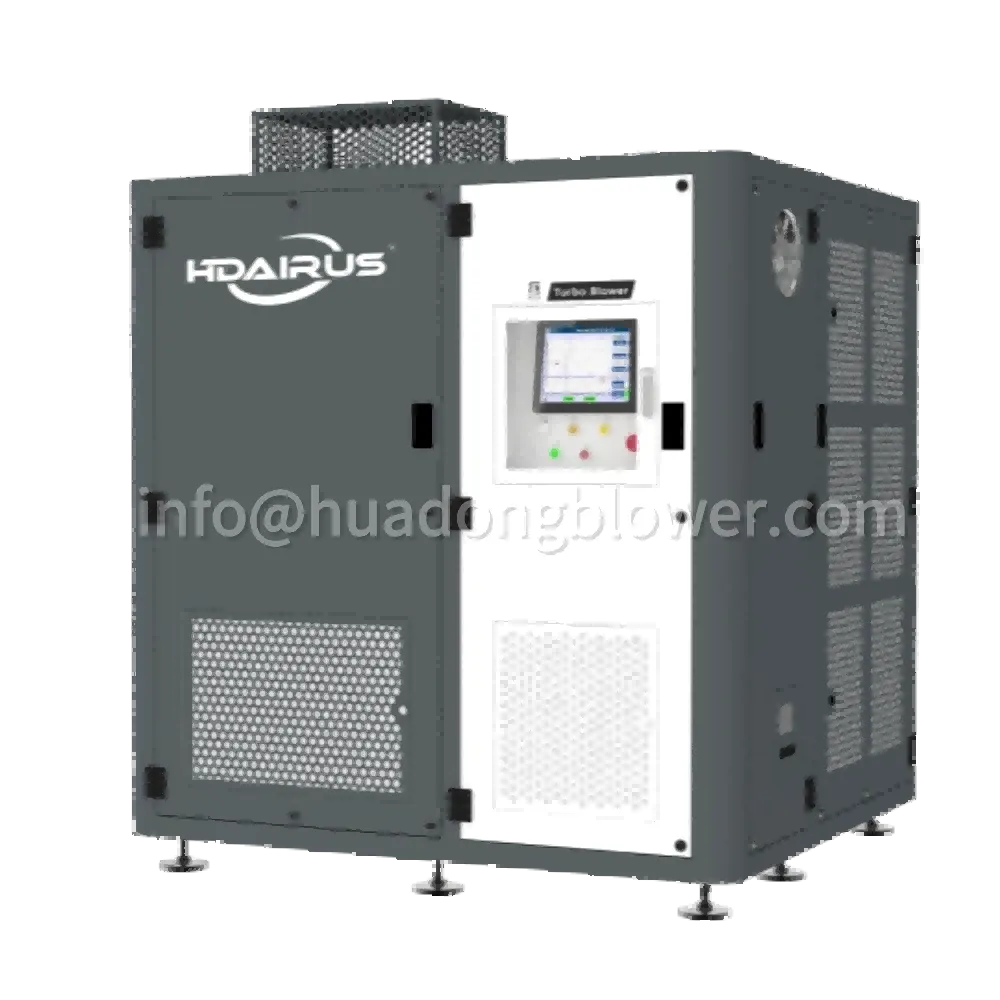
Advanced control systems allow operators to monitor performance in real time. Pressure, temperature, and airflow can be tracked continuously.
Stable operation reduces the risk of downtime and improves production reliability.
Conclusion
Clean air is essential for safe and efficient food processing.
Oil-free turbo blowers provide a dependable solution for delivering food-grade air. They eliminate oil contamination risks while improving energy efficiency and operational reliability.
By adopting modern turbo blower technology, food manufacturers can meet strict hygiene standards, reduce operating costs, and maintain consistent product quality.
Recommended Products